Canine Parvovirus (CPV) Canine Parvovirus (CPV) is a highly contagious viral disease that primarily affects dogs, especially puppies. It targets rapidly dividing cells in the body, particularly those in the intestines, leading to severe gastrointestinal distress. CPV can also affect the heart in some cases, especially in very young puppies. The virus is highly resistant and can survive in the environment for months, making it a significant public health concern in animal shelters and densely populated dog areas. For more detailed scientific background on CPV, visit Cornell University’s College of Veterinary Medicine.
Transmission and Symptoms CPV is primarily transmitted through direct contact with infected dogs or indirectly via contaminated objects such as food bowls, leashes, or bedding. Dogs that contract CPV typically show symptoms like vomiting, diarrhea (often bloody), lethargy, and loss of appetite. The Centers for Disease Control and Prevention (CDC) provides extensive data on viral transmission and how it impacts animal health.
Role of CPV Antibodies Antibodies are crucial in defending against viral infections like CPV. Once a dog has been exposed to CPV, its immune system begins to produce CPV-specific antibodies. There are two main types of antibodies in this context—IgM and IgG. IgM antibodies indicate a recent infection, while IgG antibodies indicate either past infection or successful vaccination. More on the immunological response can be found on The National Institutes of Health (NIH), which elaborates on how the immune system produces these
 protective antibodies.
Vaccination and Immunity The most effective method to protect against CPV is through vaccination. Puppies are particularly susceptible to the virus, so vaccination is critical in the early months of life. The vaccine induces the production of CPV-specific antibodies that protect dogs from future infection. More information on vaccination schedules and the role of antibodies in immunity is available at Johns Hopkins Medicine.
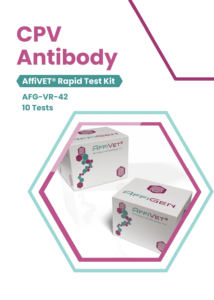
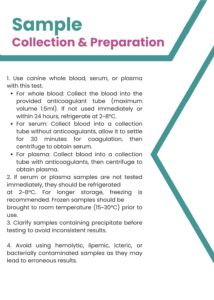
Testing for CPV Antibodies Testing for CPV antibodies helps veterinarians determine if a dog has been exposed to the virus or successfully vaccinated. There are several tests available, including enzyme-linked immunosorbent assays (ELISA) and hemagglutination inhibition (HI) assays. These tests can measure the level of antibodies in the dog’s blood. For more details on these diagnostic techniques, see the resources provided by Purdue University, which covers various diagnostic methods used in veterinary medicine.
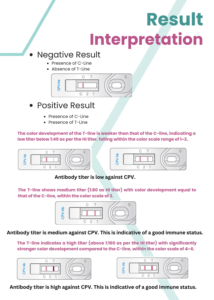
IgM and IgG Antibodies in CPV In a CPV infection, IgM antibodies are produced early in the infection, and their presence indicates a recent or current infection. IgG antibodies, on the other hand, remain in the bloodstream for a long time and indicate past exposure or successful vaccination. For a comprehensive overview of how the immune system generates these antibodies, consult Tufts University’s Cummings School of Veterinary Medicine.
Why Antibody Testing is Important Regular testing for CPV antibodies can help pet owners and veterinarians confirm if a dog has been successfully vaccinated or if it is at risk of infection. Testing is particularly useful for dogs in shelters or multi-dog households, where the risk of CPV spread is higher. The American Veterinary Medical Association (AVMA) provides recommendations on when and why testing is important for disease control in large dog populations.
Environmental Resistance of CPV One of the most dangerous aspects of CPV is its ability to survive in the environment for extended periods, making it challenging to control. Disinfectants are often ineffective against CPV, so proper vaccination and testing are the best preventive measures. The U.S. Food and Drug Administration (FDA) offers guidelines on the environmental resilience of the virus and the best ways to manage contaminated areas.
Clinical Symptoms and Treatment Dogs infected with CPV often require intensive veterinary care, including fluid therapy, antibiotics to prevent secondary infections, and sometimes antiviral drugs. Treatment focuses on supporting the dog’s immune system while it fights the virus. For more on treatment protocols and the importance of early detection, see The University of Florida’s College of Veterinary Medicine.
CPV in Shelters and Rescue Dogs Animal shelters and rescue organizations are particularly vulnerable to CPV outbreaks. Because the virus can survive in the environment for long periods, unvaccinated dogs are at high risk of contracting the disease. Implementing vaccination programs and regular antibody testing in shelters is crucial to managing CPV spread. For best practices, visit The Ohio State University College of Veterinary Medicine.
Zoonotic Potential of CPV While CPV primarily affects dogs, it has no known zoonotic potential, meaning it does not infect humans. However, proper handling and hygiene are essential when caring for infected animals to avoid the risk of contamination. Harvard University’s Chan School of Public Health covers general public health concerns related to viral diseases in pets.
Conclusion Testing for Canine Parvovirus (CPV) antibodies, including IgG and IgM, is essential in diagnosing and preventing CPV infection in dogs. The ability to test for antibody levels allows veterinarians to assess whether a dog has been exposed to the virus or successfully vaccinated. Through vaccination and consistent testing, CPV outbreaks can be significantly reduced, protecting the health of dogs in both homes and shelters. For more information on parvovirus and its prevention, visit the FDA and CDC.